

If you have ever ended the day with irritated, itchy skin after wearing certain fabrics, or developed a rash after sleeping on synthetic sheets, you are not alone. The fabrics that touch your skin can matter as much as the products you apply. As awareness grows about skin sensitivities and the chemicals used in everyday materials, natural fabrics are returning to wardrobes and bedrooms, with linen leading the way.
How synthetic fabrics can irritate sensitive skin
Synthetic fabrics such as polyester and nylon are popular because they are affordable, but they can be uncomfortable for sensitive skin. Their tight weave can restrict airflow and trap heat and moisture against the body, creating conditions that encourage clamminess, irritation, redness and bumps. Chemical finishes, dyes and flame retardants used on some synthetic fabrics may also trigger allergic reactions.
Linen’s breathable and hypoallergenic properties
Linen is made from the flax plant and has naturally hypoallergenic properties that can be a blessing for sensitive skin. Its loose, open weave allows air to circulate, helping skin stay cool and dry. Linen also becomes softer and more comfortable with each wash, developing a relaxed, lived-in feel.
The natural fibres in linen do not trap allergens in the same way as many synthetic materials, and linen is naturally antimicrobial, so it can stay fresher for longer. That can mean fewer irritants building up against your skin, whether you are wearing a linen shirt on holiday or sleeping on linen sheets.
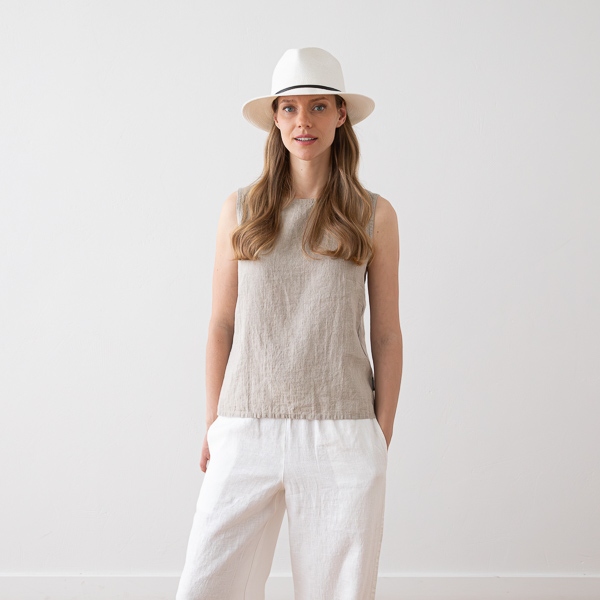
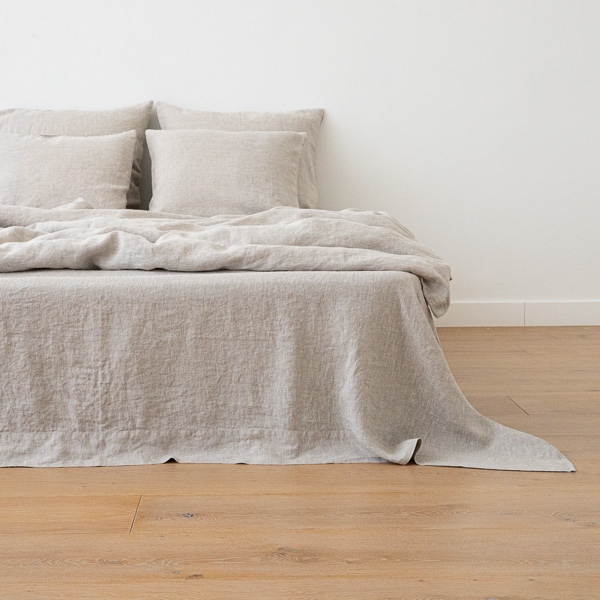
From clothes to bedding: linen’s versatility
Linen bedding supports the body’s natural temperature regulation and can help prevent night sweats. Its smooth, increasingly soft texture is gentle around sensitive areas such as the face and neck while you sleep.
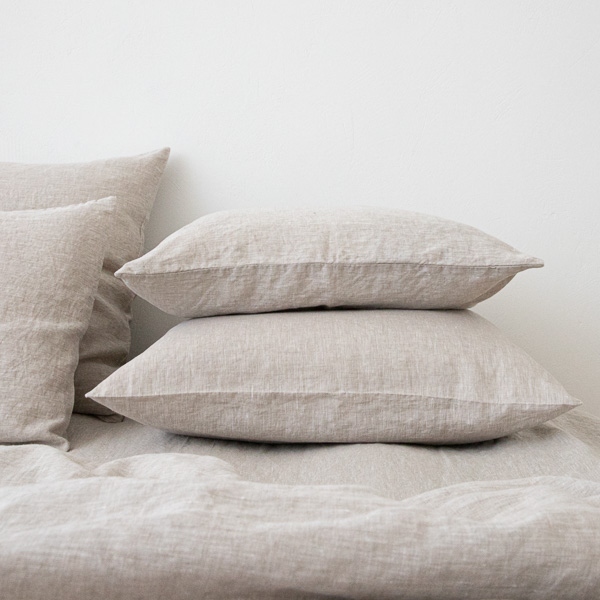
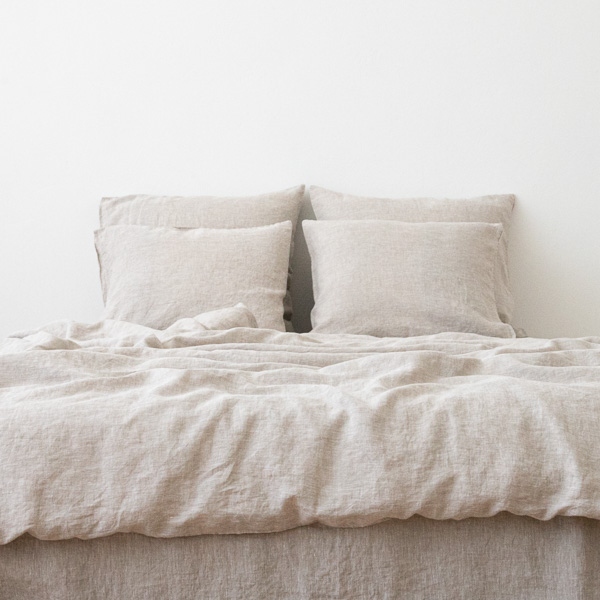
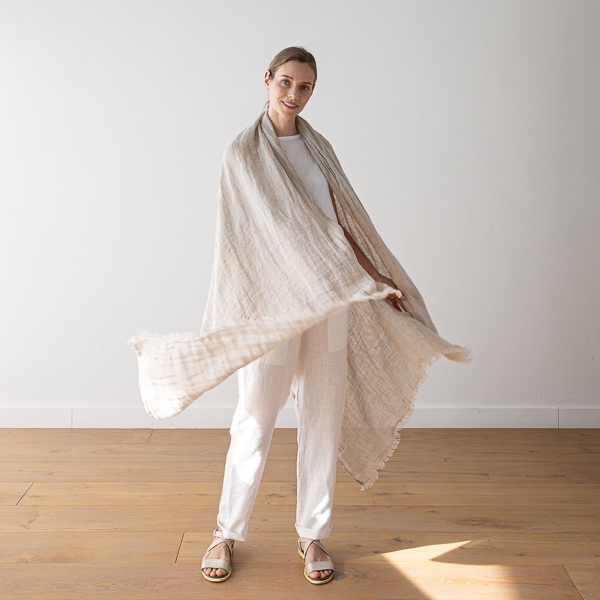
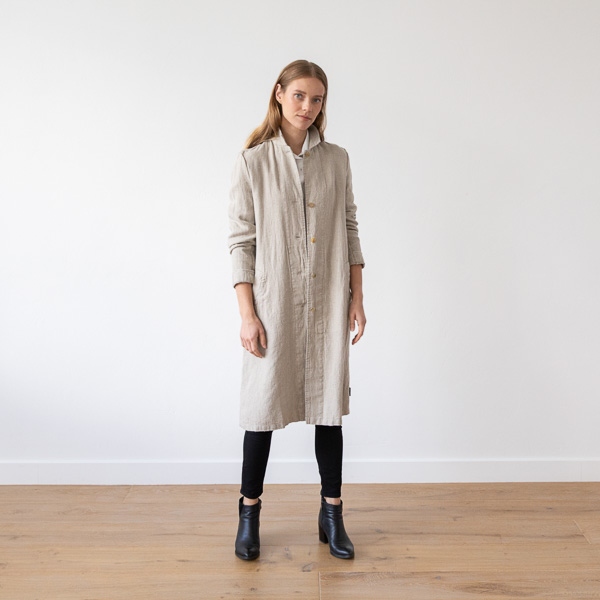
Linen clothing offers the same skin-loving benefits. A linen shirt or dress lets air reach the skin during humid summer days, while its natural drape creates a relaxed silhouette that does not cling or chafe. Linen’s ability to wick moisture away from the body makes it useful for anyone who experiences irritation from trapped sweat and heat.
Choosing the right linen for your skin
Not all linen is created equal when it comes to sensitive skin. Look for 100% pure linen that has not been heavily processed or treated with harsh chemicals. Pre-washed linen is often gentler from the start: washing removes residual processing substances and gives the fabric its characteristic softness.
If you like colour in your wardrobe, choose pieces dyed with low-impact, skin-safe dyes. The simpler the processing, the kinder it can be to sensitive skin. Quality matters too: well-made linen clothes have a smoother feel and fewer rough fibres that could cause irritation.
Caring for linen worn close to the skin
Wash linen according to the care label with a gentle detergent, rinse it thoroughly and let it dry completely before storing or wearing it again. Keeping bedding and clothing clean, dry and well aired helps preserve linen’s breathable, naturally antimicrobial character and its soft feel.
Ready to make the change? Try LinenMe’s natural, skin-loving linen bedding and linen clothing collections.