
Updated: September 22, 2026
Stone-washed, garment-washed, pre-washed and pre-shrunk: these terms can appear side by side when you shop for linen bed linen, but they do not describe exactly the same thing. The useful question is what happened to the fabric or finished item before it reached you—and what you can expect after washing it at home.
Garment-washed and pre-washed linen: what do the terms mean?
Garment-washed linen has been washed after the item was sewn. The wash can soften its feel and give it a more relaxed appearance. At LinenMe, the fabric for our bed linen is pre-washed before it is cut and sewn. That is different from garment washing, which happens after a finished item is sewn. The pre-wash softens the linen and lets much of its initial shrinkage happen before it becomes bedding.
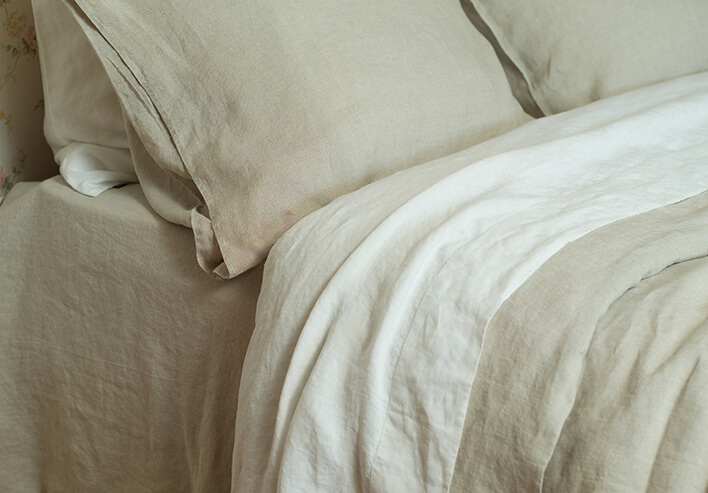
Because LinenMe starts with pre-washed fabric, correctly cared-for bed linen should retain its fit with little or no further shrinkage in normal washing. This is the real advantage of pre-washing before cutting and sewing. It is not an unconditional guarantee: excessive heat or washing outside the care instructions can still change dimensions or colour.
What is stone-washed linen?
Stone washing is a finishing method used to create a softer, more lived-in hand feel and a relaxed surface. Traditionally, abrasion from stones such as pumice is part of the process; mills may use different equipment or related methods to reach a similar look. The exact finish can vary, so a “stone-washed” label is not a complete technical specification.
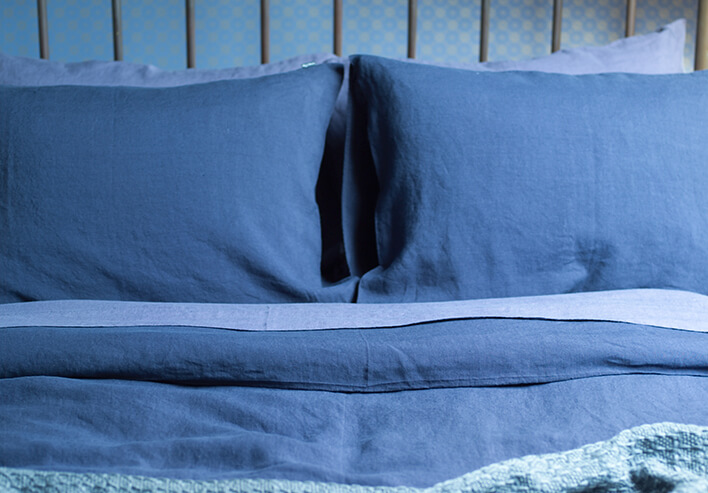
Stone-washed bed linen is often appealing if you like bedding that feels inviting from the first night and looks good without a sharply pressed finish. Ordinary linen can also soften beautifully with use and laundering. Neither option is automatically better: choose according to the texture and appearance you prefer, and follow the care instructions for the specific product.
How is stone-washed different from pre-shrunk?
“Pre-shrunk” focuses on dimensional stability; “stone-washed” describes a softer look and feel. A product can be both, but the terms are not interchangeable. For sheets and duvet covers, pre-washing the fabric before cutting and sewing is especially useful: most initial shrinkage has already happened when the final dimensions are set. Check the stated size and follow the care label to keep that fit.
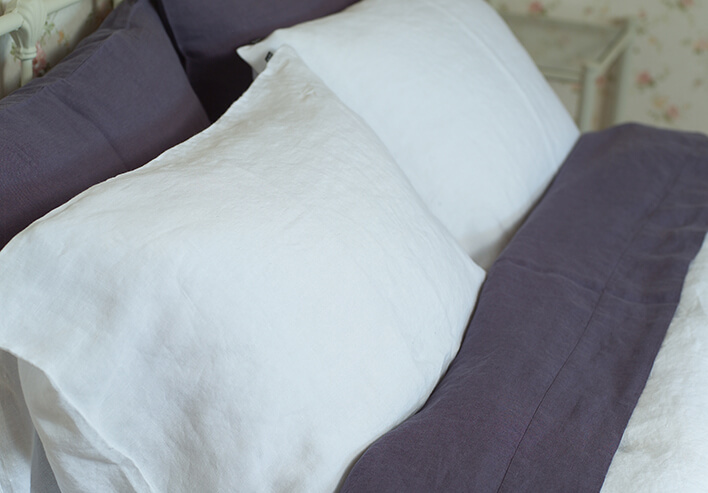
Choosing and caring for washed linen bedding
Start with the size of your duvet and mattress, then consider the look you want: softly rumpled stone-washed linen or a crisper finish that relaxes over time. Check the care label before the first wash. A gentle cycle, suitable detergent and avoiding unnecessary high heat help protect the fabric and colour. Drying conditions affect the final feel and dimensions, so use the product-specific guidance. Explore our linen bedding if you would like to compare styles and finishes.
Quick comparison
- Garment-washed: washed after the item is made, usually for softness and a relaxed finish.
- Pre-washed: at LinenMe, the fabric is washed before cutting and sewing, reducing later shrinkage of finished bedding.
- Stone-washed: finished for a softer, lived-in texture; the exact process can vary.
- Pre-shrunk: processed for dimensional stability; proper care still matters.
Frequently asked questions
Will pre-washed linen bedding shrink? LinenMe bedding made from pre-washed fabric should show little or no further shrinkage when washed as directed. Avoid excessive heat and follow the label.
Does pre-washed linen need ironing? Only if you prefer a smoother look. Many people enjoy linen's natural texture.
Is garment-washed the same as stone-washed? No. Stone washing is a particular kind of finish, while garment washing describes when the washing happens.