
Updated: August 16, 2026
Table linen can transform an everyday meal into a memorable occasion. Tablecloths, runners, napkins and placemats protect surfaces from spills and scratches while setting the mood for the room. Keeping them beautiful does not mean chasing rigid perfection: linen’s softly crumpled texture is part of its character.
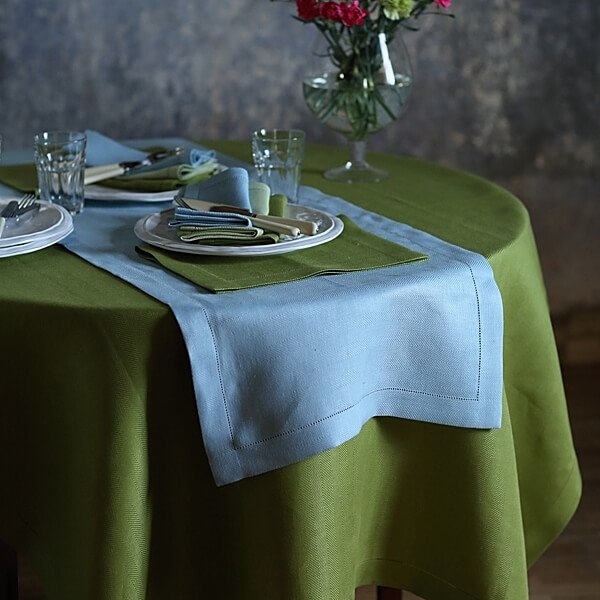
What Is Table Linen?
Table linen is the collective name for textiles used to dress and protect a table, including tablecloths, runners, napkins, placemats and coordinating accessories. Linen works particularly well for these pieces because it is durable, absorbent and becomes softer with use and washing.
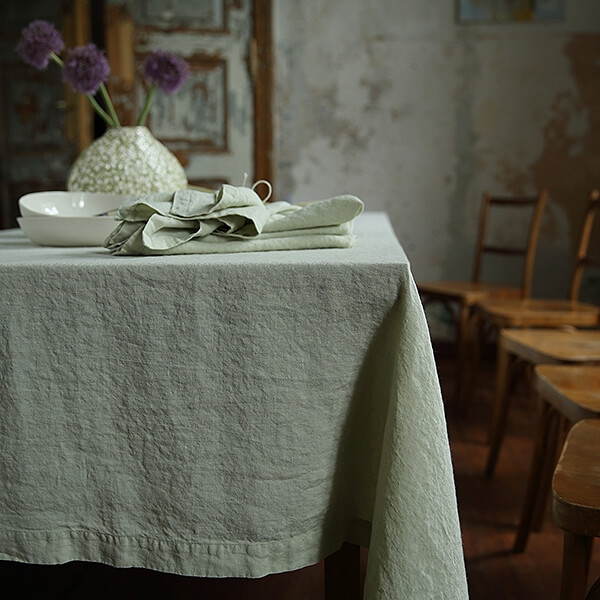
A good linen tablecloth does not need to look artificially flat. Gentle natural creases can make a table feel relaxed and inviting. Whether you press it depends on the occasion and the finish you prefer.
Do You Need To Iron Linen Tablecloths?
No, ironing is not essential. If you like an informal look, shake out the table linen after washing, smooth it while damp and leave it to air dry. The weight of the fabric will release many creases naturally. For a formal dinner or sharper edges, light ironing creates a more precise finish.
The choice is therefore about presentation rather than a rule. Washed, unironed linen feels natural and relaxed; pressed linen looks more traditional and polished.
How To Smooth Table Linen Without An Iron
To prepare a tablecloth without a long ironing session, place it on the table the evening before it is needed. Mist it lightly and evenly with clean water, smooth the fabric with your hands in the direction of the weave and leave it to dry overnight. By morning, the most noticeable wrinkles should have relaxed.
Do not soak the fabric or the surface underneath. Protect a delicate table with a clean, dry pad. A garment steamer can also help with a tablecloth or runner while it is hanging, provided you follow the appliance manufacturer’s instructions.
How To Iron A Linen Tablecloth
The best time to iron a linen tablecloth is while it is still slightly damp, not wet. After washing, allow it to air dry and begin before it becomes completely dry. If it has already dried, mist it with clean water and wait a few minutes for the moisture to distribute through the fibres.
- Check the care label and the instructions supplied with your iron.
- Choose a heat setting suitable for linen; begin lower for coloured or embroidered cloth.
- Iron on the reverse to help protect the colour and surface finish.
- Move steadily back and forth along the direction of the weave, never leaving the iron stationary.
- Work in sections and move only cooled fabric across the table or ironing board.
Use the tip of the iron around hems and corners without applying excessive pressure. Allow napkins to cool and dry fully before stacking them, otherwise residual warmth and moisture can create fresh creases.
How To Avoid Shine And Iron Marks On Linen
Excessive heat or pressure can make parts of the fabric look shiny, especially on dark colours. Iron the reverse side or place a clean cotton pressing cloth between the iron and the linen. Never press over a stain that has not been removed, because heat can set it into the fibres.
Make sure the tablecloth is clean before ironing. For complete washing instructions, see our guide to washing and caring for linen.
How To Store Table Linen Without Creases
Sharp square fold marks develop when a tablecloth stays compressed for a long time. After ironing, let it cool completely. Fold it loosely in thirds and place it over a padded hanger, or roll it around a clean tube covered with acid-free tissue. Rolling requires more storage space but greatly reduces creases.
Keep table linen in a dry, ventilated place away from direct sunlight. Avoid sealed plastic bags for long-term storage. If you prefer folded storage, change the position of the folds occasionally.
A Beautiful Table Without Perfection
Ironing linen is a choice, not an obligation. Controlled moisture, cautious heat and thoughtful storage will give you an orderly tablecloth without placing unnecessary stress on the fibres. If you prefer linen’s naturally relaxed character, simply smooth it into place and make the texture part of the setting.
Explore LinenMe table linen designed for everyday meals and special occasions.