
Updated September 18, 2026
Linen and cotton are two of the world’s best-loved natural fabrics. Both are breathable, versatile and comfortable, but they feel different, behave differently over time and suit different priorities. So, when comparing linen vs cotton, which should you choose?
The short answer is that cotton offers familiar softness and a smooth finish, while linen stands out for airflow, moisture management, strength and distinctive texture. Here is a practical comparison to help you decide.
Linen vs cotton at a glance
- Best for hot weather: linen, thanks to its open weave and excellent airflow.
- Softest when new: usually cotton, although washed linen feels soft from the start and becomes softer with use.
- Most durable: linen fibres are naturally strong and can withstand years of regular use.
- Smoothest appearance: cotton; linen has a relaxed texture and natural creasing.
- Fastest drying: linen, which releases moisture readily.
What is the difference between linen and cotton?
Linen is woven from fibres found in the stem of the flax plant. Cotton comes from the soft fibres surrounding the seeds of the cotton plant. The different plant structures create fabrics with noticeably different characteristics.
Linen fibres are long and strong, giving the cloth a lightly textured, sometimes “slubby” surface. Cotton fibres are generally finer and produce a smoother, more uniform fabric. Linen may feel crisp at first, but good-quality washed linen is comfortable immediately and softens beautifully with every wash.
Which fabric is cooler and more breathable?
Both natural fibres are breathable, but linen is usually the better choice for warm rooms, summer clothing and hot sleepers. Its fibre structure and typically looser weave allow air to circulate, while the fabric absorbs moisture and releases it quickly. That helps linen feel fresh rather than clingy in humid conditions.
Cotton is also breathable and comfortable, although a dense cotton weave can hold moisture for longer. The exact result depends on the fabric weight and construction: a light cotton voile behaves differently from heavy cotton canvas, just as fine linen differs from upholstery linen.
Linen vs cotton bedding
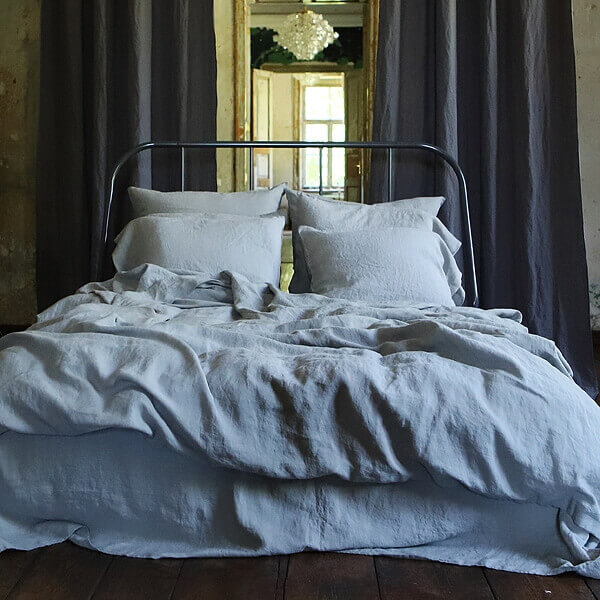
For bedding, the choice comes down to the sleep experience you prefer. Linen bedding feels airy, relaxed and gently textured. It helps balance temperature through the seasons, making it particularly appealing to hot sleepers and couples with different temperature preferences.
Cotton bedding usually feels smoother and can be a good choice if you prefer a crisp hotel-style finish. Thread count is not a direct measure of quality across different fibres, so compare the fibre, weave and fabric weight rather than relying on one number alone.
Because linen becomes softer with washing and is highly durable, it is designed to age gracefully instead of looking worn out quickly.
Which is better for clothing?
Linen clothes are lightweight, quick-drying and comfortable in changing temperatures. The fabric’s natural creases give shirts, dresses and trousers an easy, lived-in elegance. A light steam or careful iron creates a neater finish when you want one, but perfectly pressed linen is never essential.
Cotton is equally versatile and often smoother against the skin when new. It works especially well for T-shirts, structured shirts and garments where a more uniform surface is preferred. For travel and warm-weather dressing, linen’s airflow and ability to dry quickly often give it the advantage.
Which fabric is more durable?
Linen is one of the strongest natural textile fibres. With appropriate care, linen sheets, table linen and clothing can remain useful for many years. The fabric also softens without losing its characteristic texture.
Cotton can be durable too, especially when made from high-quality long-staple fibres, but quality varies widely. Frequent high-temperature washing and tumble drying can shorten the life of either fabric, so gentle care matters more than the fibre name alone.

Is linen more sustainable than cotton?
Sustainability depends on where and how a fibre is grown, processed, dyed, transported and used. Flax can grow in temperate climates with rainfall and, in suitable regions, generally needs less irrigation than conventional cotton. Much of the flax plant can also be used for other products.
However, no fabric is impact-free. Organic or responsibly grown cotton can be a thoughtful choice, while poor processing can reduce the environmental benefits of any fibre. Look for transparent sourcing and credible certification, then choose well-made textiles you will use for a long time. Durability and proper care are important parts of a product’s overall footprint.
At the end of their useful life, undyed and untreated pure linen and cotton are biodegradable, unlike fabrics blended with synthetic fibres.
How to wash linen and cotton
Always follow the product care label. In general, both fabrics can be machine washed with a mild detergent. Use a gentle cycle, avoid overloading the drum and skip chlorine bleach, which can weaken fibres.
Linen dries quickly and can be line-dried or tumble-dried briefly on low heat. Remove it while slightly damp to limit deep creases. Cotton can tolerate regular washing, but repeated high heat may cause shrinkage and accelerate wear. For more detail, see our guide on how to wash linen.
Texture, colour and character
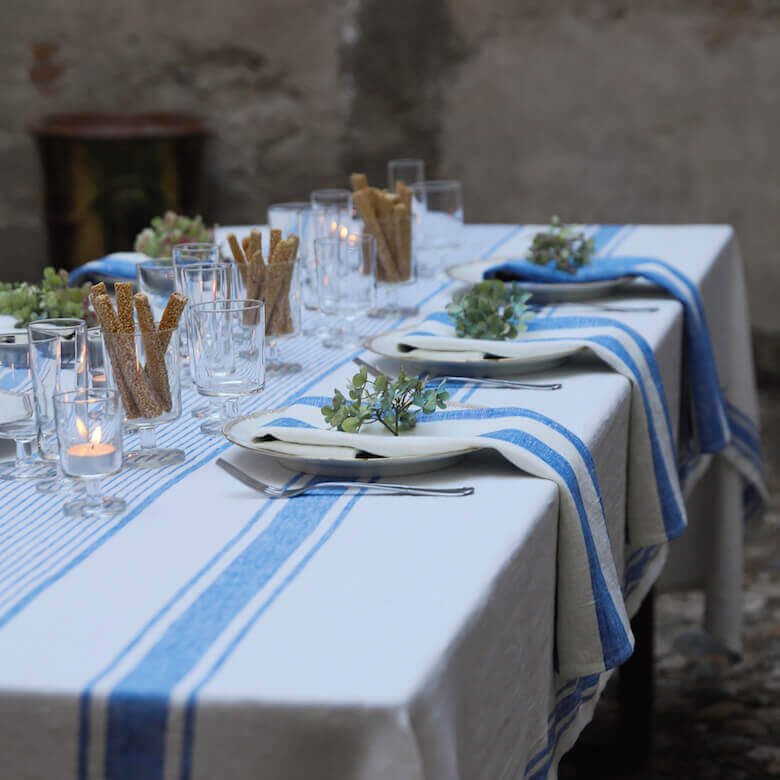
Cotton offers a smooth, familiar surface and takes colour beautifully. Linen has more visible depth: subtle variations in the yarn catch the light and give bedding, clothing and table linen a relaxed, tactile character.
Neither look is inherently better. Choose cotton for polished smoothness; choose linen when you enjoy natural texture, effortless drape and the way a fabric develops character with age.
So, is linen better than cotton?
Linen is often the stronger choice for warm-weather clothing, breathable bedding, quick-drying textiles and pieces intended to last. Cotton may suit you better if you want a very smooth feel, a crisp finish or a wider range of price points.
Whichever you choose, fibre quality, construction and care make a significant difference. For us, linen’s combination of comfort, durability and understated beauty makes it a fabric worth living with every day.
Frequently asked questions
Does linen shrink more than cotton?
Both fibres can shrink, especially when exposed to high heat. Prewashed linen is more dimensionally stable, but every product should be washed according to its care label.
Is linen scratchy?
Lower-quality untreated linen can initially feel firm. Washed, high-quality linen feels softer and continues to soften through use and laundering.
Is linen good for sensitive skin?
Many people appreciate linen’s breathability and smoothening effect over time. Skin sensitivities vary, however, so choose well-finished fabric, wash it before use and consult a clinician if you have a specific condition.
2021-04-23
2021-04-10
2020-05-11
2020-06-02
Dear Vikki,
We love linen fabric’s natural creases, but if you really need to iron your linen clothes make sure they are slightly damp.
Inga
2021-01-31
Put your linen clothing in the dryer only long enough to toss the wrinkles out - do not let them dry! Then hang them up, carefully pulling seams straight and smoothing out wrinkles. Use clothes pins to keep desired shape (bottom & top edges of openings together, pant creases where you want them). Let air dry, and your linen clothing will look great!
Wow why didn't I know the difference between linen and cotton when I've been wearing both for years!
I bought a new duvet cover set yesterday and the label says "70% cotton, 30% linen". That got me asking to Google what is the difference?
Thanks for the great article - I appreciate increasing knowledge from good source!