
Updated: August 8, 2026 — reviewed for safer hot-weather guidance and improved readability.
Hot, humid nights can make it harder to fall asleep and easier to wake. Research on sleep and the thermal environment shows that excessive heat can increase wakefulness and reduce restorative slow-wave and REM sleep. The goal is not to make yourself uncomfortably cold, but to reduce heat stored in the room, support natural heat loss and choose bedding that does not trap unnecessary warmth.
These 14 practical ideas combine simple room-cooling habits with breathable sleepwear and bedding. During extreme heat, older people, babies, people with long-term health conditions and anyone taking medicines that affect temperature regulation may need extra support. Seek medical help if someone develops signs of heat exhaustion or heatstroke.
1. Block daytime heat
Close curtains, shutters or blinds on windows receiving direct sun. If the air outside is hotter than the air inside, keeping those windows closed can also slow heat entering the room. Open them again when the outdoor temperature falls.
2. Ventilate when the air is cooler
In the evening or early morning, open windows on different sides of the home where it is safe to do so. Opening the bedroom door can help create cross-ventilation. Security and window-safety considerations should always come first.

3. Use a fan effectively
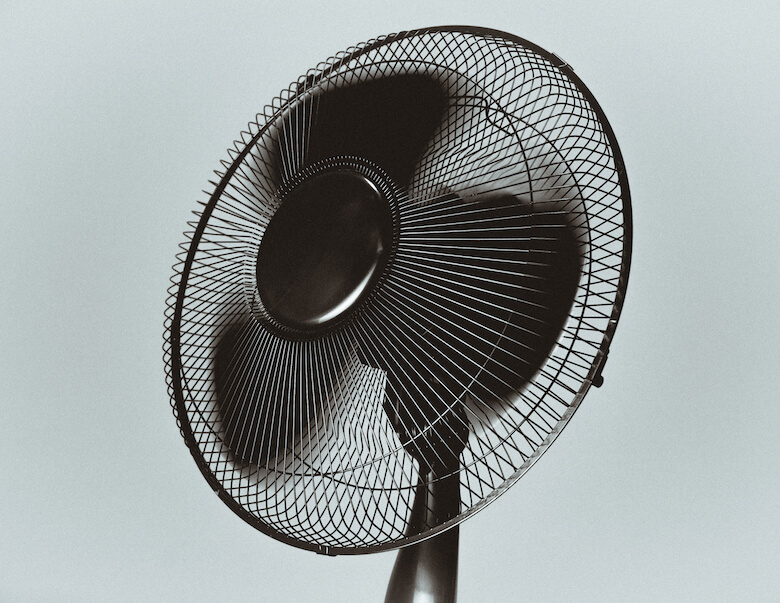
A fan helps sweat evaporate and can make the room feel more comfortable. Aim it across the room rather than directly at your face all night. NHS hot-weather guidance notes that electric fans can help when indoor temperatures are below 35°C; at more extreme temperatures, fans alone may not prevent heat illness.
4. Choose lightweight linen bedding
Remove heavy duvets and unnecessary layers. A linen sheet or lightweight linen duvet cover allows air to move and manages moisture without the clammy feel associated with some synthetic fabrics. Keep a light layer nearby, because body temperature naturally falls during the night.
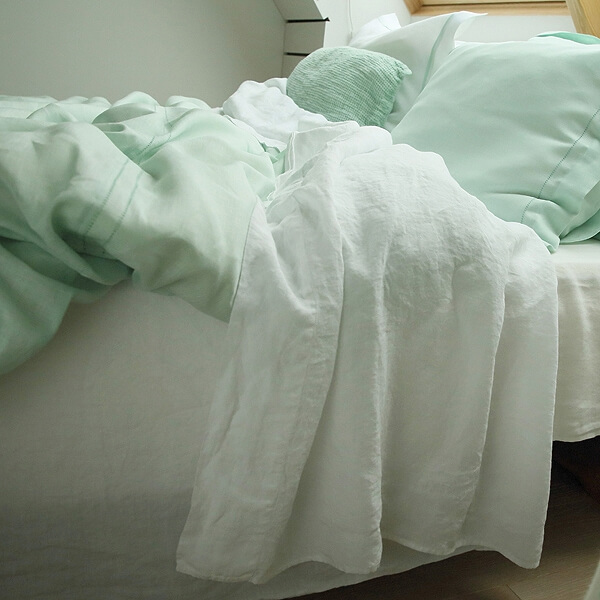
5. Wear loose, breathable sleepwear
Loose sleepwear creates less friction and allows air to circulate. Natural linen is a useful choice because it absorbs moisture and dries quickly. Avoid tight garments and dense synthetic layers that may hold warm, humid air close to the skin.

6. Stay hydrated through the day
Drink regularly rather than trying to catch up immediately before bed. Keep water beside the bed if you often wake thirsty. During hot weather, alcohol can increase dehydration and disrupt sleep, while large amounts of caffeine late in the day may make falling asleep harder.
7. Take a cool or lukewarm shower
A cool or lukewarm shower can remove sweat and leave the skin comfortable before bed. Ice-cold water is not necessary and may feel stimulating. Dry lightly and put on loose sleepwear while your skin is still comfortably cool.
8. Cool your skin safely
Use a cool, damp cloth on the neck, wrists or feet, or mist the skin lightly with water. Avoid placing ice directly on the skin. If using a cold pack, wrap it in cloth and use it briefly to prevent cold injury.
9. Keep the bed dry
Trying to freeze pillows or sheets can create condensation and leave the bed damp. A better approach is to rotate pillows, use breathable pillowcases and keep a spare dry top sheet nearby. Moist bedding can feel warmer because high humidity makes sweat evaporate less effectively.
10. Reduce heat from lights and electronics
Turn off unnecessary lights, chargers, computers and televisions before bedtime. Each device adds a small amount of heat, and together they can make a compact bedroom noticeably stuffier. A darker room also supports the normal sleep routine.
11. Sleep in the coolest suitable room
Warm air rises, so a safe lower-floor room may be cooler than an upstairs bedroom. If moving rooms is practical, choose the space that stays shaded and ventilates best. There is no need to put a mattress directly on the floor if that would introduce damp, dust or accessibility problems.
12. Simplify the evening meal
A very large, heavy meal close to bedtime can feel uncomfortable in hot weather. Choose a lighter evening meal and allow time to digest. Cold foods can be pleasant, but regular fluid intake and the overall room environment matter more than any single cooling food.
13. Keep a calm wind-down routine
Heat can be frustrating, and clock-watching adds another source of alertness. Dim the lights, put away stimulating screens and use slow breathing, reading or another familiar routine. If you cannot sleep, briefly move to a cooler, quiet place and return when you feel drowsy.
14. Know when heat needs medical attention
Difficulty sleeping is uncomfortable, but confusion, fainting, severe weakness, a very high temperature, worsening headache or hot skin without effective cooling can signal serious heat illness. Follow local public-health advice during a heatwave and seek urgent help when symptoms are severe.
With daytime shading, cooler-night ventilation, sensible hydration and breathable linen bedding, most bedrooms can be made more comfortable without running air conditioning continuously. Adjust the ideas to your home, climate and health needs.