
Updated: October 2026 — We reviewed this article, checked every link and added practical guidance for choosing, cutting and sewing linen.
Looking for an inspiring sewing project? Linen is a rewarding fabric for both experienced makers and people building their confidence. Its natural texture looks beautiful with simple construction, while pom-poms, ric-rac, buttons, beads and embroidery can add personality. Start with a project that suits your skills, wash the fabric before cutting, and use sharp scissors or a rotary cutter for clean edges.
Choose linen for a craft project
Match the fabric weight to the finished object. Lightweight or medium linen works well for tops, aprons, bags and decorative pieces. Heavier linen upholstery fabric gives furniture and structured home accessories more support. Before sewing, pre-wash linen in the same way you plan to clean the finished item, press it while slightly damp and square the grain. Test your stitch length and seam finish on an offcut first.

Sew a linen bed canopy
A linen canopy brings softness and privacy to a bedroom without requiring complicated tailoring. Measure the drop from the ceiling support to the floor, then add allowances for the top channel and lower hem. A simple version uses long hemmed panels threaded over a secure hoop or ceiling-mounted rail. Keep the design plain for an airy look or add a narrow trim around the lower edge. Always fix ceiling supports securely and keep loose fabric away from lights, heaters and young children’s sleeping areas. See this bed-canopy tutorial for construction inspiration.
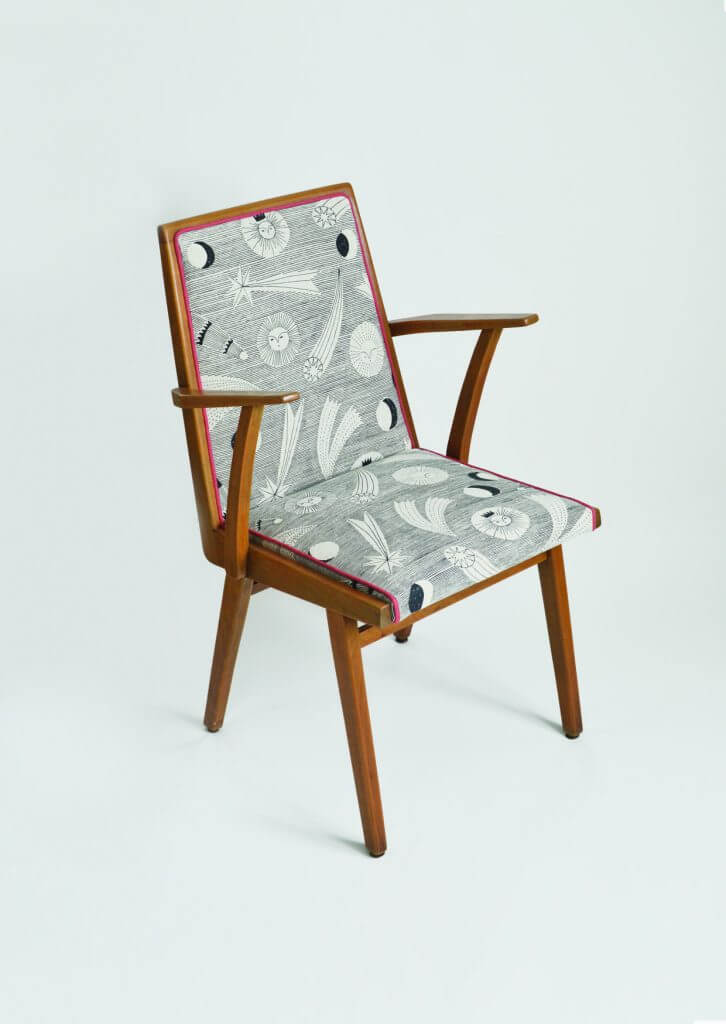
Refresh furniture with linen upholstery
Re-covering a seat can give a worn piece of furniture a new life. A removable dining-chair pad is a manageable first upholstery project; an armchair with springs and shaped panels is better left to an experienced maker. Photograph each stage before removing the old fabric, label every piece and use it as a pattern only if it has retained its shape. Cut patterned fabric carefully so motifs align, and place the straight grain where the seat receives the most tension. Explore current upholstery linen and the wider linen fabric collection.
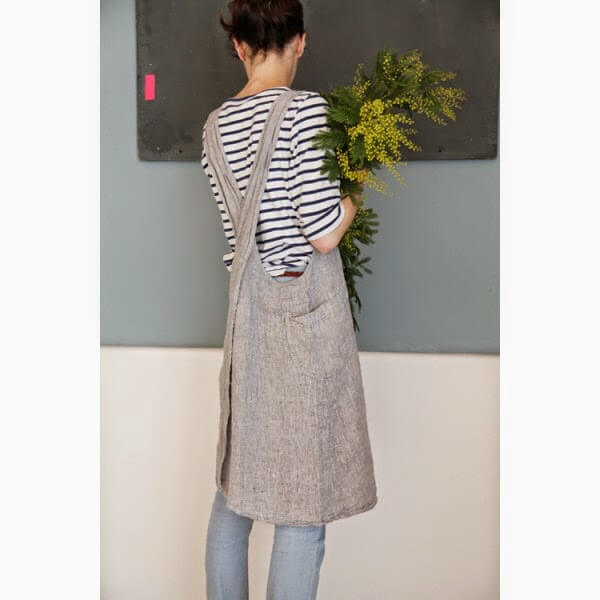
Make a practical linen apron
Linen is durable, washable and comfortable, making it ideal for a kitchen, studio or garden apron. A cross-back design avoids ties at the neck and can be made from a few simple pattern pieces. Add deep patch pockets, reinforce their upper corners and finish raw seams with a zigzag stitch, overlocker or French seams. Press at every stage for crisp hems and even straps. This Japanese-style apron tutorial remains a useful starting point, or browse LinenMe linen aprons.
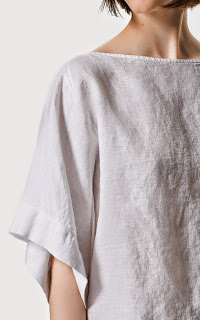
Sew a loose linen top
A boxy top is a useful next step after simple home accessories because its shape can be created with relatively few seams. Choose a breathable light- or medium-weight linen with enough drape, compare your body measurements with the finished garment measurements and make a test version if the pattern is new to you. Stay-stitch the neckline before handling it, clip curves carefully and finish the neckline with bias binding or a facing. A loose shape lets linen move naturally while retaining its clean structure. This boxy tee tutorial offers additional inspiration.
Use linen remnants for smaller projects
Save clean offcuts rather than discarding them. Small pieces can become lavender hearts, drawstring bags, napkins, coasters, patchwork panels or visible mending patches. Group remnants by weight and colour so they are easy to combine later. For precise cutting, use well-sharpened dressmaking shears and mark the grain direction before trimming irregular scraps.
Whatever you make, work slowly, press as you sew and allow linen’s natural texture to remain part of the finished piece. Browse linen fabrics for future projects, and share your linen craft ideas with us.