
Updated: August 7, 2026
Hemp is one of our most ancient textiles, but it is still misunderstood. In this post we want to set the record straight and clear up any confusion about how to tell the difference between hemp and linen. So, let us dive into the fascinating world of this natural plant!
Because hemp is made from the fibres of the Cannabis sativa plant, it has gained an undeserved bad reputation. Despite being a completely different plant, hemp is often confused with marijuana because of their similar appearance. These plants belong to the same plant family, but hemp does not contain the same levels of psychoactive components. Yet because it looks so much like its illegal cousin, many countries have banned hemp cultivation.
The history of hemp
The first recorded cultivation of hemp dates back to 2800 BC in China. Traders brought the plant to Europe around 800 BC. Since then, everyone from landed gentry to workers around the world has used products made from this highly versatile crop. It has been used to create an amazing array of products, including food, paper, clothing, canvas, ropes, medicine, cosmetics, oil paints, plant-based plastics, Bibles and even the US Constitution.
It was designated an illegal drug and banned in many countries during the twentieth century, but in 2014 the US Farm Bill legally distinguished hemp from marijuana.
What is the difference between hemp and linen?
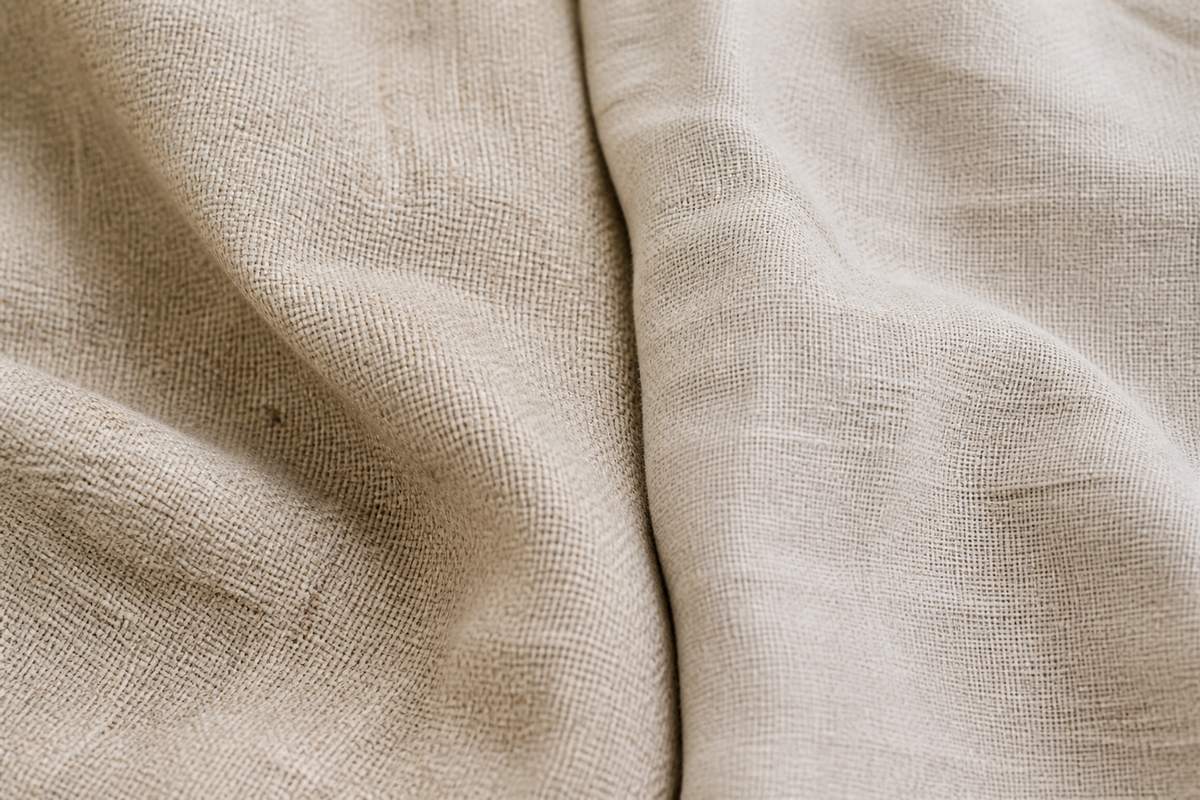
Clothing made from hemp looks incredibly similar to linen fabric, and the two share several characteristics. Both are moisture-wicking and quick-drying, helping regulate body temperature. Both are soft to the touch and kind to skin, as well as having antifungal and antibacterial properties. And both are sustainable crops that provide eco-friendly textiles and by-products.
You might not be able to tell the difference if you were holding hemp and linen products. Linen, however, comes from the flax plant and has shorter fibres.
Benefits of hemp
Like linen, hemp fabric has many sustainability, health and comfort benefits. Because of restrictions on growing the crop, it is not produced in the same quantities as cotton or linen, which makes it more expensive. Here are some reasons it makes a great alternative to cotton and synthetic fabrics:
Sustainability
- Hemp is biodegradable and compostable.
- It captures more carbon per hectare than other commercial crops and even forests.
- It requires far less water to grow and process—around 80% less than standard fibres.
- As a crop, hemp is harvested by hand, creating employment for people rather than machines.
- It grows quickly and is happy in most conditions, though it prefers temperate regions.
- Hemp has innate pest resistance, which means pesticides are unnecessary.
- There is also no need for fertilisers because the roots grow deeply and do not degrade the topsoil, meaning hemp can be grown in one place for up to 20 years without crop rotation.
Comfort and durability
- Clothes and textiles made from hemp are thermoregulatory and breathable, keeping you comfortable in every season.
- Hemp is four times stronger than cotton and easy to care for. Wash it at a low temperature with a delicate detergent and it will not be weakened.
- Hemp fabric is highly absorbent and retains dye better than cotton.
- It protects against UV rays and retains its colour even in sunlight.
- Like linen, hemp is resistant to cold and mildew, helping it last for years.
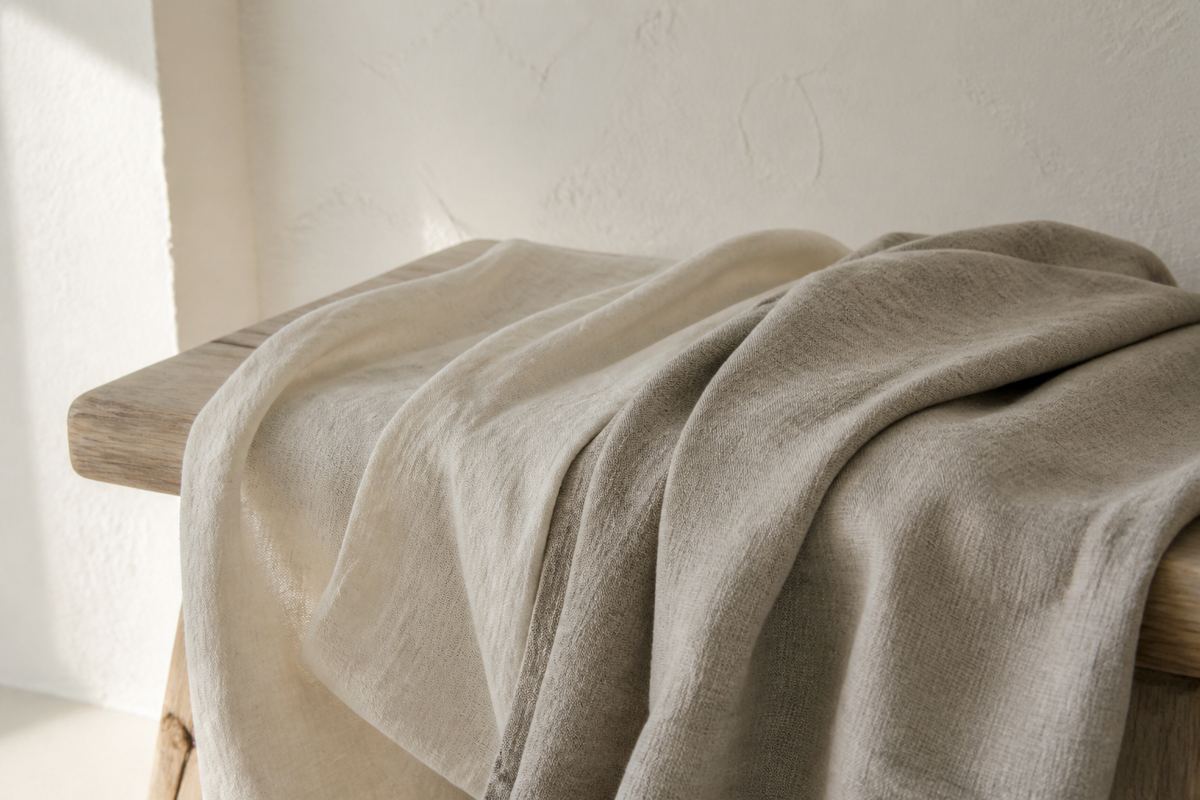
As you can see, fabric crafted from this durable, versatile plant fibre is a brilliant sustainable solution for all kinds of textiles and products. It also creates beautiful, timelessly elegant clothing, just like linen. Flax or hemp, it is time to consider alternative textile sources that help the planet while elevating our homes and wardrobes.
Find out why linen is a sustainable fabric and explore more of the benefits of linen in our blog.