
Updated: August 2026 — This article has been reviewed and refreshed for accuracy.
Cotton, linen, silk and wool are natural fibres, but they differ greatly in structure, performance, care and environmental impact. Understanding those differences helps you choose a textile suited to its purpose rather than relying on one label or headline claim.
No fibre is automatically sustainable. Farming, animal welfare, processing, dyes, transport, durability, care and end of life all influence the result. Certifications and detailed product information are more useful than broad assumptions.
Cotton: soft, versatile and absorbent
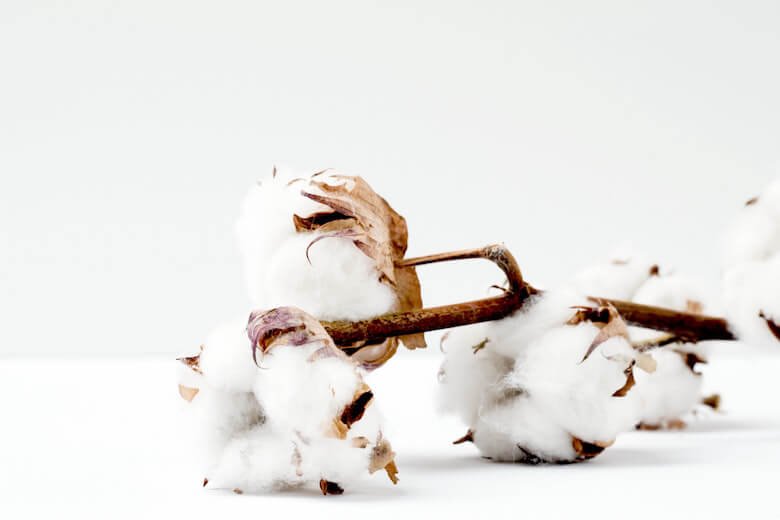
- Usually soft and comfortable against the skin.
- Breathable and absorbent, making it common in clothing, bedding and towels.
- Available in many yarns, weaves and weights.
- Can be durable, although performance depends on fibre length, construction and finish.
- Environmental impact varies widely according to irrigation, chemicals, farming method, processing and product lifespan.
Linen: breathable, strong and quick to dry
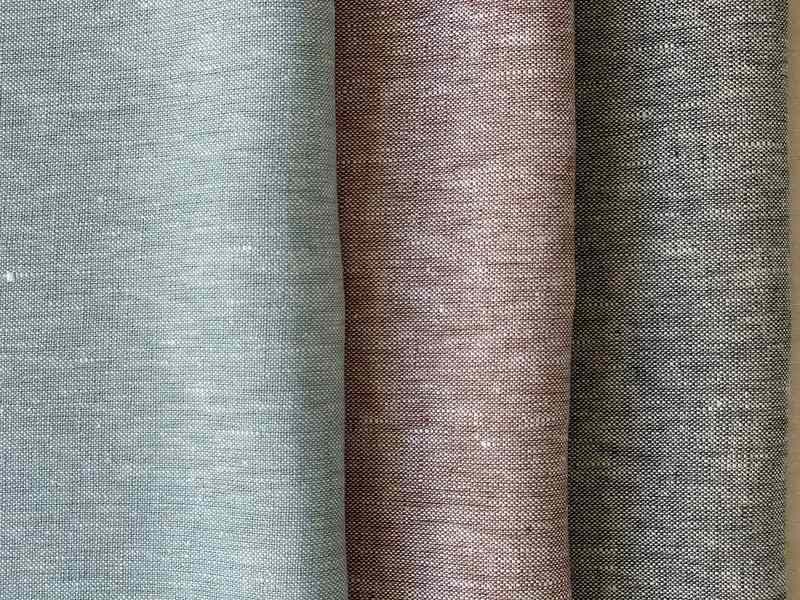
- Made from fibres extracted from the flax stem.
- Strong and absorbent, with good moisture release and relatively quick drying.
- Low elasticity gives linen its characteristic creases.
- Often softens with washing and use while retaining a textured appearance.
- Suitable for clothing, bedding, table linen, towels, curtains and heavier interior fabrics.
- Care depends on the product: follow the label and avoid assuming every linen item tolerates high heat.
Silk: smooth, light and sensitive to care
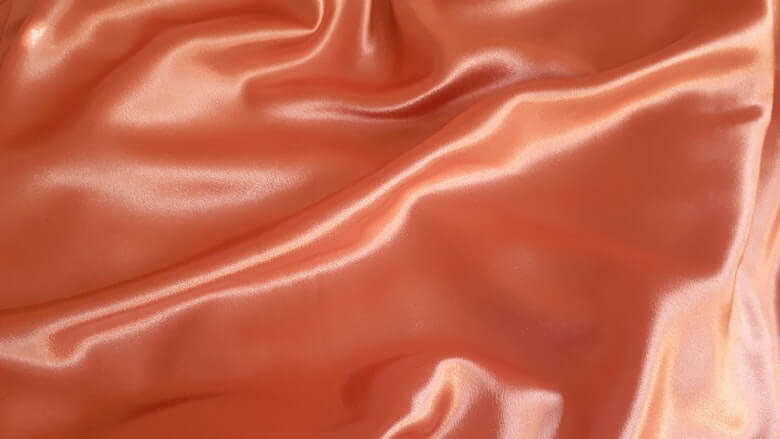
- A protein fibre valued for its smooth feel and natural lustre.
- Strong for its weight but vulnerable to abrasion, perspiration, sunlight and some cleaning products.
- Can provide useful warmth without much bulk.
- May require hand washing or professional cleaning depending on construction and dye.
- Animal-welfare standards and processing methods should be considered when comparing products.
Wool: insulating, resilient and moisture regulating
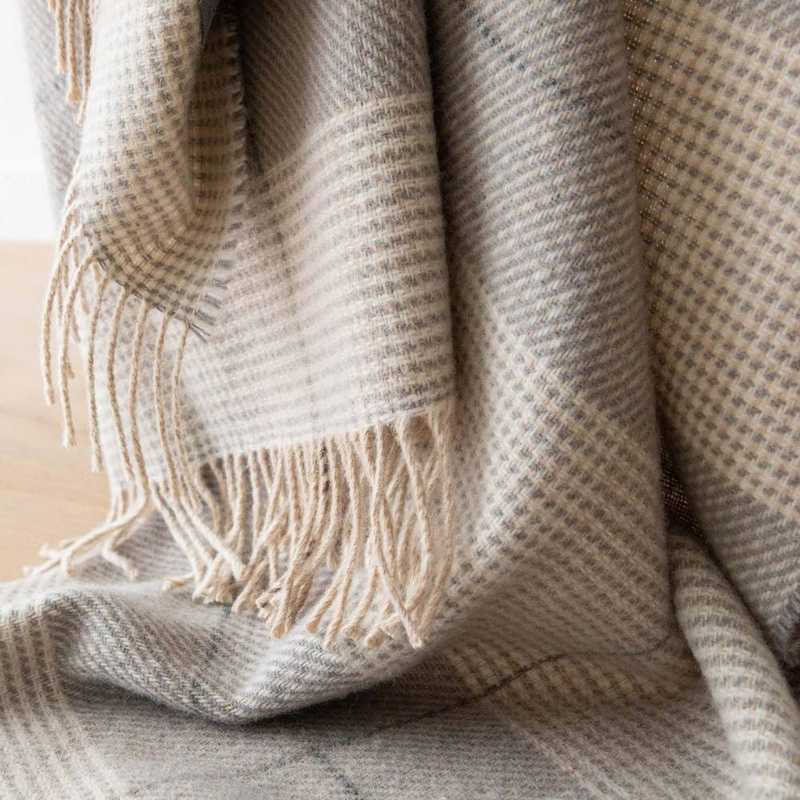
- A protein fibre with natural crimp that traps insulating air.
- Absorbs moisture vapour and can remain comfortable across changing temperatures.
- Resilient and naturally crease resistant compared with many plant fibres.
- May felt or shrink with heat, moisture and agitation, so care labels matter.
- Fibre breed, animal welfare, farming, processing and construction all affect quality and impact.
How to choose between natural fibres
Start with the intended use. Linen and cotton are practical for many washable household textiles; wool works well where warmth and resilience matter; silk offers lightness and a smooth handle but usually needs more careful treatment. Blends can combine useful properties.
Compare composition, weave, weight, finish, care instructions, certification and expected lifespan. Explore LinenMe linen bedding, clothing and throws.
2022-01-26
2020-01-27
I’m thinking of getting into making cloth diapers, so I’m doing research on different natural fabrics. Most ppl choose hemp or cotton to absorb and wool to contain it and wick away moisture. But what if I chose to use linen instead of hemp/cotton for the inserts or even silk for the inside of the diaper? If linen and silk hold up better than any other fabric, would they make the perfect diaper? Even if I choose to use them with hemp?
2020-01-31
Dear Kassandra,
It's very interesting research you are doing. We are confident that linen absorbs well and the same confidence we here from our customers buying our linen towels. Will it work for cloth diapers I believe your research should answer this question.
Inga
2018-12-17
2015-08-30
2016-09-16
Dear Sherrie, please contact LinenMe customer support (https://www.linenme.com/contact-us)
This is a very powerful article. Information given by you on different types pf fabric are well described. It will be very helpful for those who want to know more about the quality and property of their fabric. Thanks a lot for this wonderful article.