
Updated: September 2026 — This article has been reviewed and expanded.
There are many reasons to love linen – like its beauty, strength, timeless style and comfort. But at this time of climate crisis the most important benefit of this amazing fabric is the fact that it can be sustainably produced and processed. Read on to find out how linen is a sustainable fabric choice for your textiles and clothing, and discover its incredible natural properties!
A considered purchase is about more than fibre content alone. Where the flax was grown, how the cloth was processed, the quality of construction, how often the product is used and how long it remains in service all contribute to its overall impact.

Why linen is a sustainable fabric
Linen comes from flax, a plant with a blue/purple flower that flourishes in Western Europe. We have grown flax for millennia and it has an astounding array of uses besides being spun into linen. Some things that are made from or contain flax that you might not have known about are: bank notes, surgical bandages, food, mummification cloth, paint and linseed oil.
As well as its versatility, flax is a highly sustainable crop. It requires fewer resources and less water to grow and process than other crops, like cotton. It also grows without the need for pesticides and chemicals. Flax is also the most productive crop, second to hemp, per hectare, providing optimum use of space. Growing flax organically involves rotating the crops, which prevents soil degradation and erosion.
Once the flax fibres have been spun and woven into linen fabric, the environmental benefits keep on coming! Linen is naturally biodegradable. This means there's less waste and it does less damage to ecosystems once a product has come to the end of its life. And it's extremely long-wearing, meaning less waste.

Durability matters
A textile that stays useful for years can reduce the need for frequent replacement. Linen fibres are strong, and well-made linen bedding, clothing and table textiles can withstand regular use when cared for correctly. Linen also tends to become softer through washing and wear.
Fabric weight, yarn quality, weave, seams, finishing and care all influence lifespan. Choose the right textile for its purpose, follow the care label and repair small problems before they become larger ones.

What are the other benefits of linen?
There are good reasons why linen has been used and loved as a home textile and clothing fabric for thousands of years. There is a long list of its benefits, alongside the sustainability credentials outlined above:
- Durable and hard wearing for products that look great and function for longer
- Timelessly stylish so you can ignore fast fashion or design fads
- Can be machine washed and tumble dried, making it easy to care for
- Soft to the touch for extra comfort
- Pre-washed linen will have minimal shrinkage
- It gets even better with age!
At LinenMe, the fabric is pre-washed before cutting and sewing. This softens the cloth and means most initial dimensional change occurs before the item reaches its finished size. Always follow the individual product’s care label, particularly its guidance on heat.
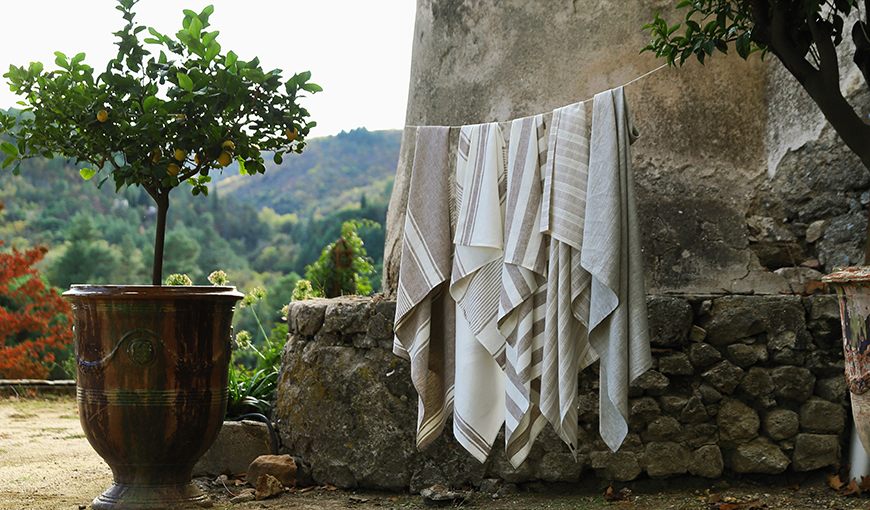
Discover linen's natural properties
As if all this isn't enough, linen also has some magic natural properties. It is inherently antibacterial and antimicrobial, inhibiting the growth of bugs and mould. This also helps neutralise odors – especially welcome in summer when we perspire more! Linen also helps regulate your body temperature, keeping you cool in summer and warm in winter. With natural insect and dirt repellent qualities too there's not much that beats this amazing fabric.
What to look for when buying linen
- Clear composition: check whether the item is pure linen or a blend.
- Origin and traceability: look for precise information about the flax and textile supply chain.
- Relevant certification: understand what a label actually verifies.
- Construction: choose a weight and weave suited to the intended use.
- Longevity: strong seams, repairable details and timeless styling support a longer useful life.
Buying fewer, well-made pieces that suit your real needs is more useful than choosing a product for a sustainability label alone. A linen item earns its place when it is used regularly and cared for over time.
Care for linen so it lasts
Wash only when needed, use the temperature shown on the care label, avoid over-dosing detergent and air dry when practical. Store linen completely dry and treat marks promptly. Some natural creasing is part of linen’s character, so ironing is optional for many items.
If a seam opens or a small hole appears, repair it early. Older bed linen or clothing can often be repurposed as napkins, storage bags, cleaning cloths or craft material before reaching the end of its useful life.

Read more about how linen is made, explore LinenMe’s sustainability approach, or browse our linen fabrics.
Linen is a natural cellulose fiber, made from the stalks of the flax plant Linum. Flax fiber is the strongest natural fiber and is resilient to damage from abrasion and prolonged usage. Good quality linen will become softer and silkier over time, while low-quality linen will retain its rigid and rough texture and will lose its shape. Pure linen fabric is biodegradable and eco friendly hence natural linen is becoming increasingly popular world over.