
Updated: 5 October 2026 — This article has been reviewed and refreshed for accuracy.
Antique and vintage linen needs a gentler approach than modern bed linen, tablecloths or clothing. Before washing an older textile, inspect the fibres, seams, embroidery and any previous repairs. Stable linen can often be cleaned carefully at home, but fragile, valuable or historically important pieces should be assessed by a professional textile conservator.
Hold the fabric in front of a soft light and look for transparent areas, small holes, loose threads, weakened seams or brittle patches. If the fibres separate with light handling, do not wash the item. Remember, too, that old linen was not always bright white: ivory, cream and a soft aged tone may be original rather than evidence of dirt.
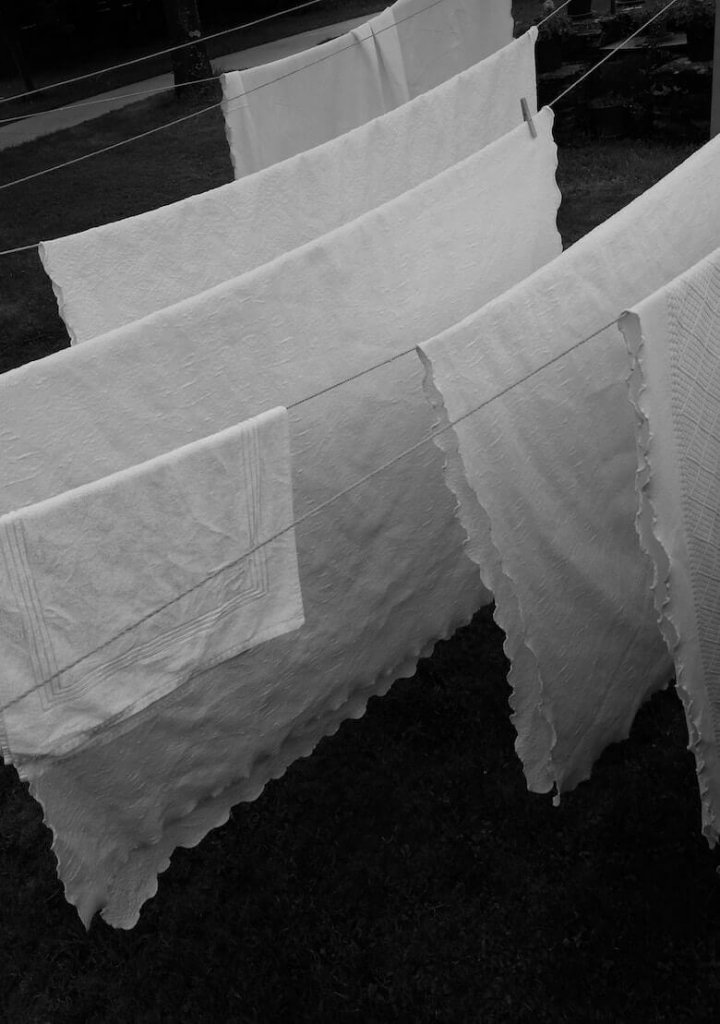
Can antique linen be washed?
Antique linen can be washed only when the fabric is structurally sound and its dyes or embroidery are colourfast. Do not wash a piece that is brittle, torn, heavily repaired or shedding fibres. If it has significant sentimental, historical or monetary value, seek specialist advice before introducing water or detergent.
For coloured or embroidered linen, test a hidden area with a damp white cloth. Stop if colour transfers. Avoid experimenting with aggressive household remedies: damage to aged fibres cannot be reversed.
Is dry cleaning safe for antique linen?
Dry cleaning is not automatically the safest option for an old textile. Solvents, pressing and routine handling may affect unstable dyes, old finishes or previous repairs. Before taking a fragile or valuable piece to a commercial cleaner, discuss its condition and construction; for historically important linen, ask a textile conservator for advice.
How to wash antique and vintage linen
Begin by removing loose surface dust very gently. Support the whole textile as you move it—never lift a saturated piece by one corner, because the weight of the water can tear weakened fibres.
- Soak stable linen in distilled or demineralised water to loosen surface soil.
- Transfer it to a large, clean container of lukewarm water with a small amount of mild, neutral detergent.
- Move the water gently with your hands. Do not scrub, brush, wring or twist the fabric.
- Rinse thoroughly with distilled or demineralised water, repeating only when necessary.
- Lift the textile with both hands or on a clean support so its weight is evenly distributed.
Deeply set historic marks may not disappear completely. Preserving the textile is more important than forcing it back to a bright-white appearance. For everyday modern linen, follow our separate guide on how to wash linen.
How to treat yellowing and stains
The origin of a stain on an antique textile is often unknown, while the fibres around it may already be fragile. Avoid chlorine bleach, concentrated stain removers, boiling water and vigorous rubbing. These methods can weaken cellulose fibres, remove colour and create permanent pale patches.
Do not treat a mark at any cost. A faint stain or gentle yellowing may be part of the textile’s history. If a stain remains after a mild wash, allow the linen to dry and consult a textile conservator before trying another treatment.
How to dry antique linen safely
Remove excess water without wringing. Lay the linen flat between clean white towels and press gently, then reshape it on a flat, clean surface away from direct sunlight and strong heat. Support lace, embroidery and weakened areas so they do not stretch while wet.
Do not tumble dry fragile antique linen. Make sure the textile is completely dry before folding or storing it, as retained moisture can encourage mildew.
How to iron or press antique linen
If the textile is stable and you want to smooth it, press it while it is still slightly damp. Use moderate heat, avoid heavy pressure and place a clean white cotton pressing cloth between the iron and the linen.
Press embroidery from the reverse over a clean white towel so raised stitches are not crushed. Do not iron torn, brittle or heavily repaired areas, and never apply heat to a stain that may become permanently set.
How to store antique linen
Store clean, completely dry linen flat or loosely folded in a cool, dry place away from direct light. Prevent contact with bare wood, which can transfer natural oils and acids to the fabric.
Use acid-free tissue for pieces with historic or financial value and periodically change the position of folds. A clean white cotton pillowcase can protect less delicate items. Avoid sealed plastic bags, which may trap moisture, and do not place heavy objects on top of folded textiles.
When to consult a textile conservator
Professional help is the safest choice when linen is brittle, badly torn, affected by mould, decorated with unstable dyes or valuable enough that damage would be unacceptable. A conservator can identify the fibres and construction, assess previous repairs and recommend a treatment designed for the individual piece.
Robust vintage linen can still be enjoyed and used thoughtfully. With gentle handling, conservative cleaning and suitable storage, these textiles can continue carrying their stories into the next generation. For further guidance on newer textiles, read our complete guide to caring for linen fabric.
2020-05-06
2020-05-12
Dear Pamela,
The only idea that comes to my mind is trying to contact linen museums. You could find a list here: https://www.linenme.com/news/flax-linen-museums/
All the best!
Inga
I am sitting on a mountain of antique linens I inherited from my 100-year-old great aunt. I would love to know what each item is and where it came from, as well as how to best care for them. I'm beginning to investigate and match things I find on the internet, but some things I'm just not seeing.
Irish linen, Belgian linen, Giant Madiera tablecloth and napkin sets, Organdy MARGHAB. Is there a chat or organization for collectors of antique linen that might help me identify the pieces? Thanks for any help you have to offer.